 2006 Oak Bay Ave
Victoria, BC
Phone: (250) 590-1847
Hours: 11:30 a.m.–9 p.m. (Daily)
Website: www.sushi-ten.ca
2006 Oak Bay Ave
Victoria, BC
Phone: (250) 590-1847
Hours: 11:30 a.m.–9 p.m. (Daily)
Website: www.sushi-ten.ca
ES: The sushi and sweets scene along Oak Bay Avenue has certainly changed over the years. Whether some closures were a result of the pandemic or otherwise (RIP Osaka, Sweet Delights and London Sweet Stop), I miss those early days. Thankfully, there are two other operations that have stuck it out, namely Bon and Kissato. I love the atmosphere of the latter, as it’s family-run, and though they seem to have downscaled, that’s alright when I’m in the area. Don’t get me started about the candy shops, though.
As Don and I looked around to see what’s changed, too much has changed. At least I got my mead, though!As for new operations, I feel Sushi Ten still has to earn its legs. Although they are popular amongst locals living nearby, they’ve been doing well since opening February 1, 2026.
DK: Popular is right. The mere mention of their name had my waitress at another recently opened eatery histrionic with praise last week. I went with her advice and got the salmon avo roll. Whether it’s aging taste buds or the effects of farming and freezing, I’m finding too much sushi salmon just a little bland these days. I had high hopes Sushi Ten would buck the trend. Then I remembered Ed’s rule about eating sushi on Sundays and Mondays…
Read more: When Sushi Ten Barely Rates In That Rating Scale….ES: Or weekends for that matter! What’s just as equally important is how the fish was brought to the plate. There’s flash smacking it until the sakana is unconscious, or an ethical choice so that the death to feed our tummies is not as shocking. Ultimately, I think what we ate was more than a few days old before a fresh batch could be brought in.
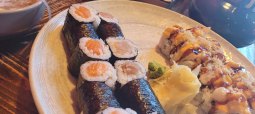
I had the basic tuna and salmon roll to test the waters, and they weren’t all that appealing. As for their spicy chopped scallop roll, it seems the money went with the shellfish. That’s because those are harder to clam up if something goes wrong. At least the sunomono salad is hard to mess up, lest I want to pucker up for more octopus bites, which is why I often go for this appetizer to start with.
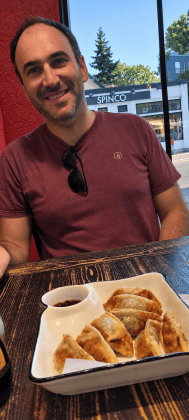
DK: Safe to say Ed and I weren’t as enthused by the salmon here as others have been. Maybe it was just the wrong day of the week? That being said, I did enjoy my B.C. Roll. What it may have lacked in bold flavour, it made up for in pleasant crunch. Preparation that leads to proper texture and mouthfeel counts for something.
ES: At least the space is comforting, service is nice, and we didn’t have to wait long for the meal. Though we came in before the dinner crowd, I noticed how fast the place got packed by the time 6:30pm rolled around. Clearly this place is doing something right. I’d try to visit this place again on a day piggy arrived on market rather than grow old, though.
I wouldn’t say the tuna and salmon have gotten stale either. And I’d imagine Sushi Ten wants you to order from their fusion menu rather than standard, since they are slightly overpriced and offer more cream cheese than I need on my face for cleansing.
DK: Is Sushi Ten Head and Shoulders above the rest? No, but I’m willing to give them a second chance to make a first impression. Until then I’ll Google other old ’90s shampoo commercial taglines to shoehorn into reviews, and maybe we’ll give Sushi Ten’s neighbours Selah and Oak Bay Seafood a try. Because we’re worth it.
3½ Blokes out of 5
 658 View Street